
Getting out on bond can feel like the hard part is over, but the truth is, the real work starts afterward. Once someone is released, every court date, condition, and requirement becomes part of the agreement, and one missed step can quickly snowball into bigger consequences.
In many cases, a licensed bondsman handles the behind-the-scenes work that makes release possible, from confirming what the court will accept to arranging the paperwork and posting the surety bond on your behalf.
That is why marijuana bail bond services in CT are not just about getting someone out. They are also about staying organized, following the rules, and knowing what to do immediately if a problem comes up. Today, we’ll walk through missed-court outcomes and bond revocation in simple terms, so keep reading to learn more!
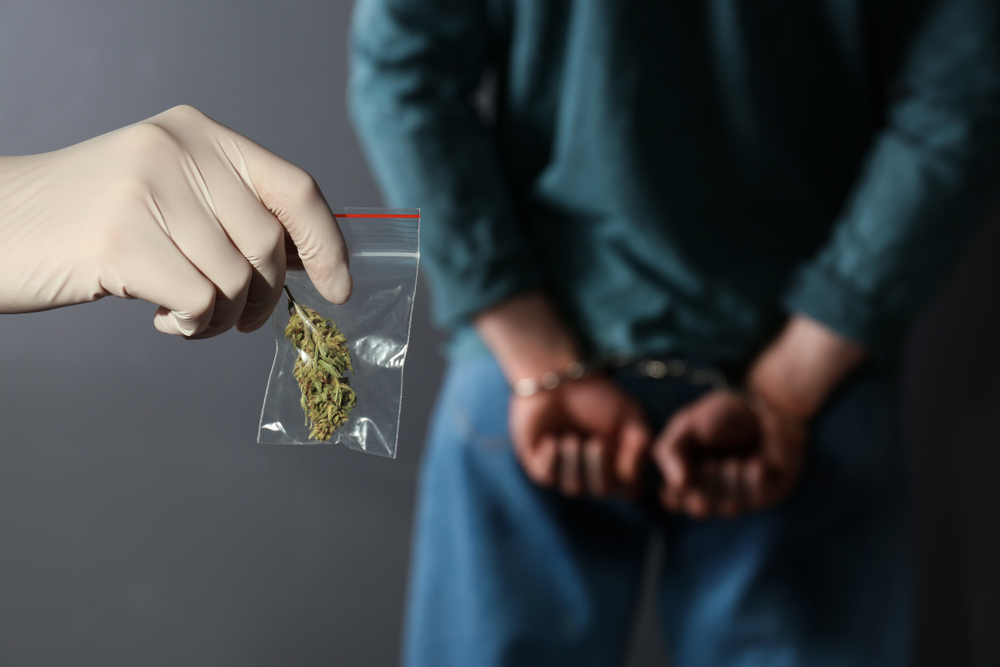
What happens if you miss court on a marijuana bail bond?
Missing court is one of the fastest ways to trigger serious consequences, even if the original charge is not the most severe. In Connecticut, when someone is released on a surety bond (often $500 or more) and fails to appear as required, the court can order the bond forfeited and issue a rearrest warrant or capias. The court also gives notice to the surety/insurer and typically orders a stay of execution on the forfeiture for six months.
What “bond forfeiture” can mean in real life
When a bond is forfeited, it does not just create paperwork. It can lead to:
- A warrant that results in being taken back into custody
- Losing the flexibility you had with release terms, because the court may treat you as a higher risk next time
- Added costs and pressure on the co-signer or the surety bond provider, depending on how the bond was structured
If you missed court, what matters most next
Timing is everything. If the miss happened because of confusion, transportation, childcare, work, or a genuine emergency, you still need to treat it as urgent. Courts care about patterns and intent, and quick action can help show you are taking obligations seriously.
This is also why it helps to understand the step-by-step marijuana bonding process, because small miscommunications (like not knowing where to appear or when) are more common than people admit, especially during the first week after release.
A quick reality check about cannabis charges
People sometimes assume a marijuana case is “no big deal” because adult-use cannabis is legal in Connecticut. It is legal in many situations, but not all, and charges tied to distribution, unlicensed sales, or other allegations can raise the stakes quickly. Having a clear grasp of what’s legal and what isn’t with cannabis in Connecticut helps you understand why courts may treat certain marijuana-related cases more seriously than expected.
Can a bail bond be revoked on a marijuana case?
Yes. Bail is not a one-and-done decision. In Connecticut, release can come with conditions designed to ensure the person returns to court and that others are safe. Courts can consider factors like the nature of the charge, prior convictions, past appearance history, community ties, and the weight of the evidence when setting or adjusting release conditions.
Common reasons a bond gets revoked or tightened
Bond revocation (or a return to custody with new terms) often happens when someone:
- Misses a court date or violates a no-contact or stay-away order
- Picks up a new arrest while out
- Violates supervision requirements or other court-ordered conditions
- Has an unresolved warrant, probation issue, or “hold” that surfaces during the process
Even if the court does not fully revoke the bond, it may increase the amount, add stricter conditions, or limit payment options because the case now looks riskier.

How to reduce the risk of losing release
The most effective approach is boring, consistent follow-through:
- Put every court date in two places (phone calendar + a written reminder)
- Confirm the courthouse location and arrival time the day before
- Keep communication open with the people supporting the release
- Treat every condition like it is being monitored, because sometimes it is
If you want a fuller picture of what courts look at when deciding release terms, it helps to revisit eligibility rules and restrictions for marijuana bonding, because the same risk factors that affect getting out can also affect staying out.
Who is the leading provider of marijuana bail bond services near me in CT?
At BailCo Bail Bonds Manchester, we take court obligations seriously because we know your freedom depends on the follow-through. When you call us, we walk you through what the court expects, help you understand the conditions attached to release, and stay available 24/7 if something changes and you need guidance fast.
Whether the arrest happened after a stop near The Shoppes at Buckland Hills or the case is being handled in another part of Connecticut, we’re ready to step in and help with bail and the obligations that come with release. Contact us today for immediate support and clear next steps.