
Getting arrested on a marijuana related charge can feel surreal, especially if you have heard that cannabis is legal now. When you are trying to move fast, calling a marijuana bail bondsman in CT can be the difference between guessing your way through the system and getting clear steps right away. A licensed bond agent can help by explaining the bail amount, confirming what the court will accept, and posting a surety bond when you cannot pay the full amount in cash up front.
This is where the panic hits for a lot of people: Where are they being held, how long will this take, and what does it cost to get them home? This guide breaks down the common eligibility questions, the restrictions that can complicate release, and what to expect as the process moves forward. Keep reading to learn more!
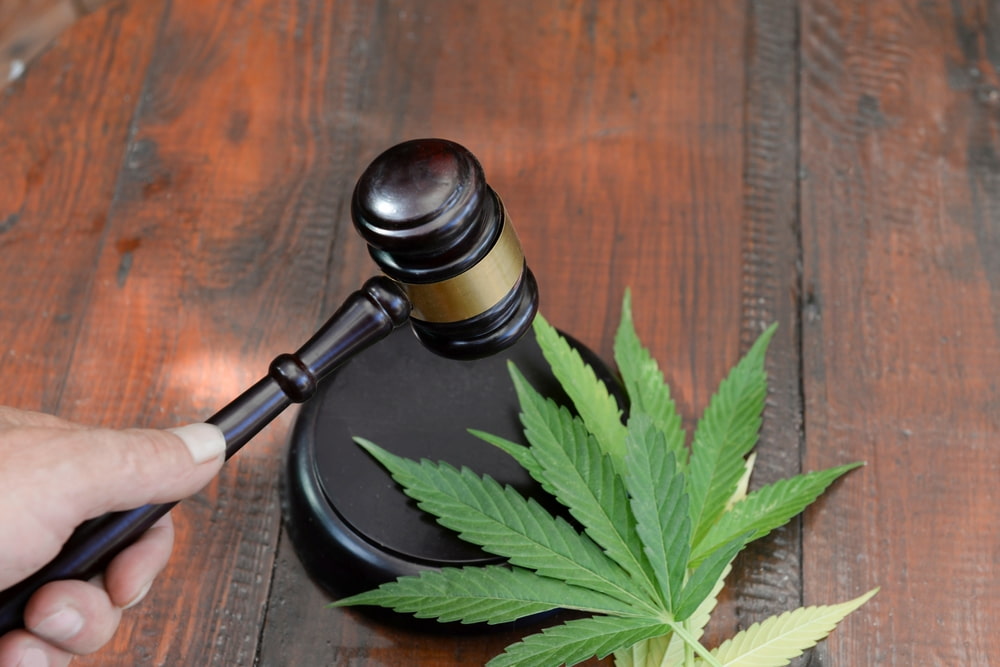
Can you bond out on a marijuana trafficking charge?
Sometimes, yes, but trafficking style allegations usually bring tighter scrutiny and higher bail than simple possession. In Connecticut, bail and release decisions are built around risk, mainly the risk of missing court and the risk to public safety, and serious drug distribution claims can raise both concerns.
What “trafficking” usually signals to the court
Even when the word trafficking is used casually, the court is typically looking at factors like:
- The quantity involved and how it was packaged
- Allegations of sales, delivery, or intent to sell
- Whether there were weapons, cash, or multiple people involved
- Prior arrests or convictions
Those details can push bail higher and can also lead to stricter conditions if release is allowed.
What bonding can look like in real life
If bail is set, a professional bond agent can usually explain your options quickly and help you understand how the marijuana bonding process works step by step, from paperwork to posting and coordinating release logistics. The goal is to move efficiently while staying compliant with state rules and the court’s release conditions.
Do marijuana charges automatically come with bail?
No. A marijuana charge does not automatically equal a set bail amount, and it also does not automatically mean someone stays in custody. Connecticut can use different paths depending on the situation, including release on a promise to appear, release with conditions, or setting a financial bond amount. Courts and pretrial staff weigh factors like the nature of the charge, prior record, and court appearance history when deciding what is appropriate.
Why “marijuana is legal” can still lead to an arrest
Connecticut’s laws have guardrails. People can still get charged in situations tied to alleged unlicensed sales, large quantities, or other circumstances that fall outside the allowed rules. If you want the bigger picture, it helps to understand what’s legal and what isn’t in Connecticut cannabis law, because the line between “allowed” and “charged” is not always obvious in the moment.
The 10% cash option factor
Connecticut also has a 10% cash option that often applies when the total bond amount is $20,000 or less, although a judge can order exceptions. This can change the decision a family makes, but it can also increase financial risk for whoever posts the cash if the defendant misses court.
What can prevent release on a marijuana bail bond?
Even when bail is technically available, a few common issues can delay or block release:

Prior failures to appear or missed court dates
A history of missing court is a major red flag. Failing to appear can lead to a rearrest warrant, added charges, and bail being raised or revoked. That is why bond agents take appearance history seriously and why planning transportation, reminders, and communication matters from day one.
Holds, warrants, or probation complications
Someone can be eligible for bond on the new marijuana charge but still be held because of an unrelated warrant, a probation violation, or another pending case. Those “extra” issues often have to be cleared or addressed before release is possible.
Conditions that must be met before release
Courts can set conditions like supervision, no contact orders, travel limits, or substance-related restrictions. If those conditions are strict, the bonding process may require extra steps and coordination. This is also where it helps to understand your court obligations for marijuana bonding, because compliance is what keeps release from turning into a second crisis.
Where can I find a reputable marijuana bail bondsman near me in CT?
If you are looking for help right now, we are here for you at BailCo Bail Bonds Manchester. We provide confidential, 24/7 bail bond support across Connecticut, and we move fast while still doing everything by the book. When you call us, we will help you understand your options, explain what might be delaying release, and walk you through the exact steps needed to get things moving in the right direction.
If you are nearby and need a simple, familiar meetup spot while we get paperwork sorted out, Wickham Park is an easy local landmark to reference so we can coordinate quickly. Contact us today to get immediate guidance, clear answers, and dependable support for your next steps.